Haunted Bakery Business Guide: From Idea to Opening
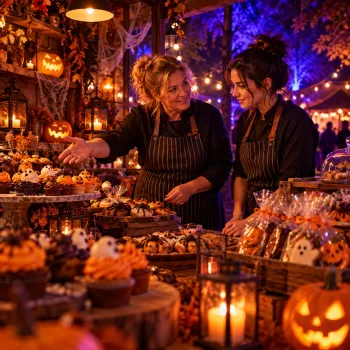
A haunted bakery can pair comforting treats with a little theatrical charm. Whether you picture a cozy café with ghostly details or a pop-up selling treats for spooky celebrations, the idea needs more than a clever name to work. Our Haunted Bakery Business Guide is a starting point for shaping your concept while you research the practical choices behind it.
Give Your Haunted Bakery a Clear Concept
Start by deciding what “haunted” means for your bakery. Your atmosphere could be whimsical and family-friendly, inspired by vintage mysteries, or rich with gothic details. Think about who you want to serve and when they might visit: families looking for weekend treats, customers buying birthday cakes, or party hosts planning a themed event.
Spooky styling does not have to make your space feel unwelcoming. Warm lighting, readable menus, friendly service, and comfortable seating can soften dramatic colors and playful decorations. If children are part of your intended audience, consider whether your imagery feels fun rather than frightening.
For year-round sales, build a theme that can shift with the seasons. Ghost-shaped cookies might be joined by moon-and-star pastries in winter or garden-inspired “enchanted” treats in spring. A flexible identity gives you room to celebrate Halloween without relying on one short selling season.
Turn the Idea Into a Business Plan
Choose a business model before you commit to a location or equipment. A storefront, market stall, preorder operation, and home-based bakery each involve different expenses and requirements. Consider how customers will order, where you will prepare food, and how much you can produce consistently.
Research local demand by visiting comparable businesses, reviewing their menus and prices, and speaking with potential customers. Look beyond other spooky concepts: any bakery serving the same occasions may compete for your customers. Use what you learn to identify a realistic audience and a reason for them to choose you.
Estimate startup costs separately from ongoing expenses. Equipment, initial supplies, permits, and deposits may come before your first sale; ingredients, utilities, rent, wages, and insurance can continue afterward. The U.S. Small Business Administration’s business plan resources can help you organize these decisions.
Haunted Bakery Planning Checklist
| Planning area | Question to consider | Next step |
|---|---|---|
| Concept | Who is the bakery for? | Describe the intended customer and theme. |
| Menu | Which treats fit the concept? | List a small selection to test. |
| Budget | What will it cost to start and operate? | Estimate equipment, ingredients, rent, and other expenses. |
| Compliance | Which rules apply locally? | Contact local licensing and health authorities. |
Before opening, ask the relevant local authorities about business licenses, food safety rules, and zoning. Requirements can depend on your location, products, and production space. The U.S. Food and Drug Administration’s food business guidance is another useful starting point, but it does not replace local advice.
Create a Menu With Character
A small opening menu is easier to test and manage than a long list of elaborate creations. Choose a few treats that express your theme and suit your equipment and schedule. For example, you could pair chocolate “graveyard” cupcakes with decorated ghost cookies and a seasonal hand pie.
For each item, calculate ingredient quantities and costs, then consider preparation time, storage, and packaging. A delicate frosted pastry may need a different container than a sturdy cookie, and complicated decorations can add significant labor. Plan how you will provide accurate ingredient and allergen information, too.
Test recipes in small batches and invite feedback on flavor, appearance, portion size, and packaging. Ask whether customers would buy the treat again, not just whether they like the name. Use their responses to refine your selection before settling on a final menu.
Price and Promote Your Bakery
Pricing starts with knowing what each item costs to produce. Include ingredients, direct labor, and packaging, then account for your share of overhead such as rent, utilities, and equipment upkeep. Compare the resulting price with local offerings, but avoid copying a competitor’s price without understanding your own costs.
Keep your names and visuals consistent across your menu, packaging, and promotional channels. A recognizable palette and a few memorable product names can create a cohesive experience without making every item difficult to identify. Make the actual flavor clear alongside the themed name.
To introduce your concept, consider a seasonal market, a themed tasting, or a collaboration with a nearby event organizer. If you are planning a costume-centered promotion, our Costume Idea Challenge Game is another product to explore alongside your event planning. Confirm any venue and food-service requirements before offering samples or selling at an event.
Explore the Haunted Bakery Business Guide
Our Haunted Bakery Business Guide is an option if you want a starting point for developing your spooky bakery idea. It is listed at $63.99; visit the product page for current purchasing information.
Our team encourages you to use the guide alongside independent research into your market, finances, and local food safety requirements. A creative concept can help you stand out, but careful planning helps you decide how to serve customers consistently.
FAQ
How do I start planning a haunted bakery?
Define your theme and target customer, then research local demand, costs, sales channels, and applicable requirements before committing to a business model.
Can a haunted bakery operate year-round?
Yes. A flexible spooky theme and a menu that changes with the seasons can appeal to customers beyond Halloween.
What permits does a bakery need?
Requirements vary by location and business model. Contact local business licensing and health authorities, and check zoning rules before opening.









Leave a comment