Backyard Layout Flow Guide: Create a Yard That Works
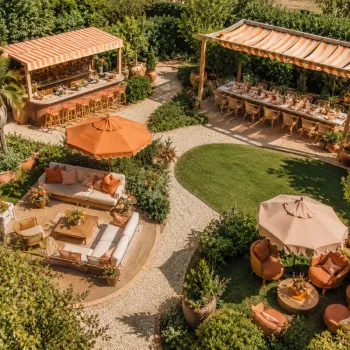
A backyard can be a place to gather, unwind, grow plants, or give everyone room to play. The trick is making those uses work together without turning every trip across the yard into an obstacle course.
We like to start with the way a space needs to function, then consider how it looks and connects. Our Backyard Layout & Flow Guide is a starting point for planning a yard around your routines, whether you have a compact patio or a larger open space.
Start With the Way You Use Your Yard
Before moving furniture or choosing materials, write down what you want to do outside. You might picture weeknight dinners, a quiet chair for reading, a vegetable garden, or a place for children to play. Rank those activities by how often you expect to use them. Your top priorities deserve the most convenient and comfortable spots.
Next, spend a little time observing the yard. Note where you enter from the house, where gates lead, and which routes you already take. Watch how sun and shade shift throughout the day. A pleasant breakfast spot may be too hot by late afternoon, while a shady corner might be ideal for relaxing but less suitable for sun-loving plants.
Include existing features in your assessment. Trees, slopes, fences, outdoor faucets, and paved areas can shape your options. Rather than treating every feature as a problem, look for ways to work with what is already there. Our Backyard Layout & Flow Guide is a resource to consider as you weigh those decisions.
Create Zones That Feel Connected
Think of zones as areas with a purpose, not necessarily separate rooms. Grouping related activities makes a yard easier to use: a dining table near the kitchen makes carrying meals simpler, while garden tools and watering supplies are most convenient near the plants they serve.
Give frequently used areas easy access from the house. Then leave enough open space around furniture and equipment for people to use them comfortably. A table may fit on a patio, for example, but you also need room to pull out chairs and walk behind someone who is seated.
Use these ideas as a starting point, then adapt them to your yard and priorities.
| Zone | Placement idea | Flow consideration |
|---|---|---|
| Dining | Near access to the house | Leave room to move around chairs |
| Relaxing | In a comfortable sunny or shady spot | Connect it to a clear route |
| Gardening | Where conditions suit the plants | Allow space for tending and watering |
| Play | Within a suitable open area | Keep routes to other zones clear |
Some zones can share space. A clear lawn may host games during the day and extra seating for a gathering later. In a smaller yard, a bench beside a garden bed can provide a place to relax without requiring a separate seating area.
Make Movement Feel Natural
Trace the trips you make most often: from the back door to the dining table, from a chair to the garden, and from the house to the gate. If those routes cut through a play area or require a detour around furniture, try a different arrangement. The easiest route is often the one people will take, so plan around it where possible.
Before committing to permanent changes, test a layout with movable furniture or objects marking the corners of a proposed zone. Walk the routes, pull out the chairs, and carry a watering can through the space. This simple trial can reveal pinch points that are hard to see on paper.
Paths, planting edges, and stretches of open ground can suggest where to walk without making the yard feel chopped up. A path can connect the door to a garden or gate, while a low planting edge can gently define a seating area. Keep frequently used routes clear of pots, loose equipment, and furniture legs.
For more ideas about arranging outdoor spaces, the University of Minnesota Extension’s landscape design resource offers a useful perspective.
Refine the Plan for Your Space
Measure the yard and sketch its boundaries, doors, gates, and fixed features. Add the dimensions of furniture you own or are considering, including the space needed to use it. A scaled sketch does not need to be elaborate; its purpose is to show whether your ideas fit before you invest in changes.
Consider privacy and shade from the places where you will actually sit or gather. You may want a seating area away from a neighboring window, or a spot that offers relief from afternoon sun. Pay attention to drainage, too: avoid placing a favorite sitting area where water regularly collects, and plan planting areas around the conditions they receive. The EPA’s WaterSense landscaping tips offer guidance on thoughtful outdoor water use.
Finally, consider how the yard will serve you across seasons. Movable chairs, planters, and other flexible pieces make it easier to adjust as the sun changes or your household’s needs evolve. If building regular outdoor routines is also a priority, our One Year of Better Habits is another resource you can explore.
Ready to plan a yard that works for you? Explore our Backyard Layout & Flow Guide, available for $42.99.
FAQ
How do I improve the flow of a small backyard?
Prioritize a few activities, keep the routes between them clear, and choose furniture that fits with room to move around it. Look for spaces that can serve more than one purpose.
What should I consider before planning backyard zones?
Start with your yard’s measurements, access points, sunny and shady areas, and existing features. Then identify the activities that matter most to you.
Can a backyard layout change over time?
Yes. Test arrangements with movable furnishings first, then adjust your zones as your household’s needs or the seasons change.








Leave a comment